

Introduction
When we think about traveling, we often picture famous landmarks, scenic views, or adrenaline-packed adventures. But one of the most profound and universally accessible ways to connect with a new culture is through its food. Culinary experiences offer more than just nourishment—they serve as entry points into the heart of a community’s history, values, and way of life. From street vendors and local markets to family-run kitchens and traditional feasts, every meal has a story to tell. Whether you’re sipping soup in a bustling market or rolling dough in a village cooking class, the journey through food is one of discovery, empathy, and transformation. This guide explores how taste, memory, and culture are beautifully intertwined, revealing why food often becomes the most memorable part of our travels.
The Connection Between Culinary Adventures and Cultural Discovery
Traveling often opens doors to experiences that textbooks and documentaries simply can’t provide. One of the most impressive and direct ways to connect with a new place is through its food. Each dish carries the echoes of the people, history, and environment that shaped it over centuries. Food is a living record of migration, climate, seasons, and necessity. When you taste a spicy curry in India or a hearty stew in Hungary, you aren’t just enjoying flavors—you’re actively learning about the daily life, creativity, and traditions of locals. Guides like Claudette Spinelli Schwartz know that sharing food-related stories is one of the richest ways to connect with another culture, and they often point travelers straight to local kitchens and markets instead of just tourist landmarks.
Beyond the table, food rituals reveal a great deal about what matters to a community. In Greece, a slow-paced family meal might show respect for tradition and togetherness. In Japan, the presentation of sushi reflects a profound appreciation for aesthetics and a deep respect for the ingredients. By eating the way locals eat—perhaps elbow-to-elbow on tiny stools at a bustling Vietnamese street stall—you come to understand local priorities, etiquette, and values in ways no walking tour can replicate. Those moments resonate long after the trip is over, nurturing an empathy for others’ ways of living and an appetite for continued discovery.
The Science Behind Taste and Travel Experiences
Taste and smell are powerfully intertwined with memory, tapping into the emotional centers of our brains. It’s why people often find themselves daydreaming about the tangy first bite of ceviche sampled by the waterfront in Lima or the warm, fragrant bread from a bakery hidden down a Parisian alley. The science behind this is fascinating. Research shows that when you try new foods while traveling, your brain is flooded with novel sensory inputs, stimulating the hippocampus and forging resilient, emotional memories. This boost in neural activity means you’ll carry those vibrant food memories with you, sometimes more vividly than even major sights or complicated travel plans.
The process works for people of all ages and backgrounds. Children, for example, often recall even small treats from travels—a gelato scoop in Rome or sweet pineapple in Thailand—far into adulthood. For adults, the lingering memory of a meal serves as a personalized time capsule, pulling back not just the flavors, but also the laughter, the climate, the bustling sounds, and the textures of the experience. Food, more than just fuel, anchors your journeys in lasting, multisensory ways.
Building Bridges: How Sharing Meals Creates Connection
Around the world, sharing a meal is one of the most universal expressions of hospitality. In many cultures, opening your table—even to a stranger—is equivalent to welcoming someone into your community. Breaking bread, offering tea, or celebrating a festival with food creates deep bonds that transcend language and cultural barriers. Even when travelers have just a basic grasp of the local language, the gestures, smiles, and rituals associated with a meal communicate warmth and kinship. As highlighted in Number Analytics, shared meals do more than satisfy hunger; they build trust, deepen understanding, and promote emotional well-being across groups.
Firsthand stories abound from travelers who found themselves drawn into local homes, community picnics, or spontaneous dinners during their journeys. Spending an evening sharing paella in Spain or being invited to a Moroccan tagine feast provides access to authentic stories and traditions. It is in these moments that many people discover how much they share a love of family, pride in their heritage, and a desire for connection through everyday joys. In a world often marked by difference, these shared meals are potent reminders of our shared humanity.
Planning Travel Itineraries Around Food
In recent years, culinary travel has surged in popularity, with tourists worldwide seeking out destinations renowned for their distinctive flavors, ingredients, and unique experiences. Many travelers now build entire itineraries around the prospect of sampling ramen in Tokyo, sipping wine in Provence, or navigating the vibrant chaos of Bangkok’s night markets. National Geographic’s Best of the World 2024 list even highlights restaurants that double as travel destinations in their own right, proving how central food has become to global exploration.
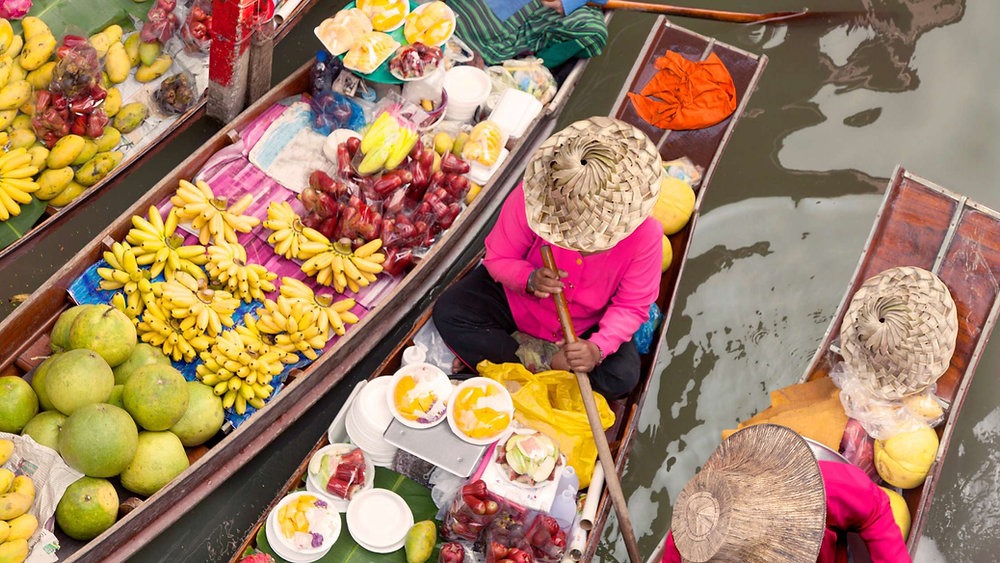
Crafting a food-focused journey requires some planning. To get the best out of local food scenes, research the region’s specialties, seasonal food festivals, and must-try eateries ahead of time. Don’t overlook humble street vendors or bustling open-air markets, which often showcase the most authentic—and delicious—versions of local classics. Reserve ahead if you want to dine at famous restaurants, but also leave time for spontaneous food discoveries. In many places, joining a food-themed walking tour or a local cooking class can offer insider perspectives you’d never find in a guidebook.
Local Lessons: Learning Through Tastes and Techniques
One of the most engaging ways to experience a culture is by participating in a hands-on cooking class or market tour. These experiences usually go far beyond learning a recipe—they often cover history, family traditions, and the reason certain ingredients are preferred or forbidden. Imagine kneading dough for empanadas in Argentina while learning about how different generations have adapted the spicing, or attending a pasta workshop in Bologna and discovering the fierce regional pride Italians hold for their ragù.
For many, venturing outside upscale restaurants and into local food stalls is the gateway to authentic discovery. Nibbling on sizzling satay in Indonesia or biting into a freshly pressed tortilla in Oaxaca provides a sense of place that no Eiffel Tower or Empire State Building can match. Street foods often reflect both cultural heritage and economic reality, with generations refining their recipes to match the local climate and availability. These moments of culinary exploration tell profound stories about the ingenuity, resilience, and communal spirit of different societies.
Mindful Eating on the Road
The joys of culinary travel often come with abundance, but so does the need for balance. Savoring rich meals and indulgent desserts is part of the fun, yet maintaining health and mindfulness is essential, especially on long journeys. Travelers can benefit from combining indulgence with lighter, nutrient-rich fare, such as fresh salads, local fruits, or grilled fish. Packing a snack for day trips, checking out markets for unprocessed options, and staying hydrated regularly all contribute to a more comfortable travel pace.
- Carry protein bars or nuts for energy during sightseeing
- Visit local markets early for the freshest options and insight into community life
- Learn and use respectful food-related phrases in the local language
Being alert to dietary norms is just as crucial. What might be polite in one country—such as finishing every grain of rice—could be offensive elsewhere. Taking the time to learn and respect food etiquette adds an extra layer of appreciation, helping you blend in more seamlessly with local routines.
Food and Travel as a Path to Personal Growth
For some, travel is an adventure that stretches the mind. For others, it’s a journey that challenges the taste buds. Confronting unfamiliar flavors—such as street-fried insects in Cambodia or blue cheeses in Switzerland—provides rare opportunities to overcome hesitations, biases, and limitations. Each new bite is a vote for open-mindedness, teaching flexibility and resilience with every experience.
Over time, regular travelers often become more adaptable, inventive, and even confident in their day-to-day lives. They gain valuable life skills, such as improvising meals with limited ingredients and embracing new social situations. Best of all, they often return home with deeper insight into global traditions, a desire to advocate for diverse communities, and a joyful sense of wonder that keeps them plotting future adventures.
Tips for Savoring Every Journey Through Food
- Journal or photograph your meals to help recall flavors, places, and stories years later
- Consult locals and market vendors for “hidden gem” food suggestions
- Join local food tours or cooking schools to immerse yourself in culinary tradition
- Step out of your comfort zone—sometimes, the dish you’re most nervous to taste becomes your favorite travel memory
Ultimately, every journey presents a mouthwatering invitation to expand your world—one meal at a time. Whether you’re drawn to Michelin-starred restaurants or roadside food carts, let each bite foster curiosity, connection, and gratitude. The world has countless stories to tell, and many of them begin at the table.
