

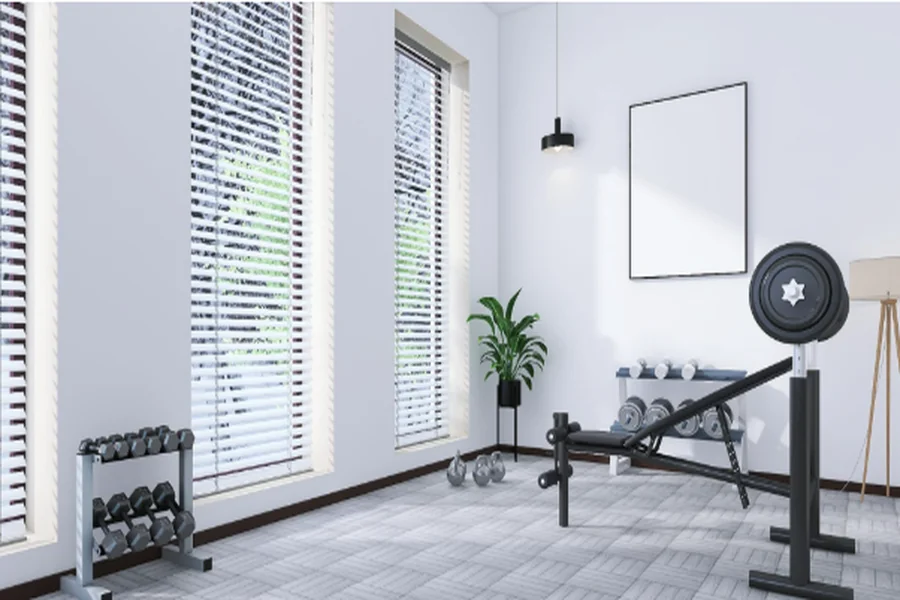
Staying fit doesn’t always mean going to the gym. With the right home workout gear(อุปกรณ์ออกกำลังกาย), you can train your entire body, build lean muscle, and stay consistent all without leaving the house.
Whether you’re a beginner or already have some experience, investing in a few key pieces of equipment can turn any corner of your home into a personal gym. In this guide, we’ll walk you through the best fitness tools to keep at home for full-body strength training and explain how each one supports your muscle-building goals. Let’s dive in.
Why You Should Invest in Home Workout Gear
There are many good reasons to build your own small gym at home:
- Convenience: Exercise whenever you want, no need to travel.
- Privacy: No crowds or waiting for equipment.
- Cost-effective: Save on monthly gym fees in the long run.
- Consistency: With your gear nearby, you’re more likely to stick with your routine.
And the best part? You don’t need a lot of space or a big budget to get started.
Must-Have Home Workout Equipment for Muscle Building
These items are compact, affordable, and highly versatile, perfect for training every muscle group at home.
1. Dumbbells
A classic for a reason. Dumbbells are great for training your arms, shoulders, chest, back, and even legs.
- Choose adjustable dumbbells to save space.
- Start light (2–5 kg) if you’re a beginner, and go heavier as you gain strength.
Exercises: Bicep curls, shoulder press, chest press, dumbbell squats, rows
2. Resistance Bands
Don’t underestimate these simple bands. They’re easy to store and can be used to target every part of your body.
- Use light to heavy resistance depending on the exercise.
- Ideal for warmups, muscle activation, and strength training.
Exercises: Glute bridges, lateral raises, rows, chest fly, banded push-ups
3. Adjustable Bench
If you’re serious about building muscle, a flat incline bench adds variety to your workouts.
- Allows more range of motion for exercises like chest presses or step-ups.
- Combine with dumbbells or bodyweight for added challenge.
Exercises: Incline bench press, step-ups, Bulgarian split squats
4. Pull-Up Bar
Upper body strength is key, and a doorway pull-up bar gives you a way to train your back, arms, and core.
- Choose a model that fits securely over your door frame.
- Use resistance bands if you’re not ready for full-bodyweight pull-ups yet.
Exercises: Pull-ups, chin-ups, hanging leg raises
5. Kettlebell
Kettlebells are excellent for both strength and cardio training.
- Great for building explosive power, grip strength, and core control.
- Just one or two kettlebells can give you dozens of movement options.
Exercises: Kettlebell swings, goblet squats, Turkish get-ups
6. Yoga Mat or Exercise Mat
You’ll need a soft surface for floor exercises, stretching, or any movement on your back or knees.
- Choose a mat with good grip and cushioning.
- Easy to roll up and store after your session.
Exercises: Planks, crunches, push-ups, stretches, mobility work
7. Stability Ball or Swiss Ball (Optional)
A stability ball can help improve your core strength and balance.
- Adds difficulty to simple exercises by forcing your body to stabilize.
- Also good for rehab and mobility sessions.
Exercises: Ball crunches, wall squats, hamstring curls
How to Use Your Home Gear for Full-Body Training
Once you have your setup, here’s a simple way to split your training by muscle group:
- Upper Body: Dumbbells, pull-up bar, resistance bands
- Lower Body: Dumbbells, kettlebells, bench, bands
- Core: Mat work, resistance bands, stability ball
- Full Body: Circuits using all equipment in short rounds
Pro tip: Focus on compound movements exercises that work multiple muscles at once (like squats, push-ups, rows). They give better results in less time.
Tips for Getting the Most Out of Home Training
- Create a routine: Set a weekly schedule just like going to the gym.
- Warm up properly: Use light resistance or bodyweight to get your muscles ready.
- Track your progress: Keep a log of weights, reps, and how you feel.
- Don’t skip rest: Muscles grow when you rest. Aim for 48 hours between training the same group.
- Stay consistent: Even 30 minutes a day makes a big difference over time.
Final Thoughts
Building muscle at home is not only possible, it’s practical. With the right home workout gear, you can train every muscle group, challenge yourself at any level, and make fitness part of your daily life.
Start with the basics: dumbbells, resistance bands, and a mat. Add a bench or pull-up bar when you’re ready to level up. Keep your setup simple, stay focused on your goals, and the results will come.
No matter your fitness level or space, a smart home gym setup is one of the best investments you can make for your health.
