

Introduction
Gold coins and bullion are some of the most satisfying things to own. They are compact, valuable, and steeped in history. But when the time comes to sell, many owners realize they are not sure what their pieces are actually worth or where to take them. If that is you, here is a clear guide to selling coins and bars the right way in New York City.
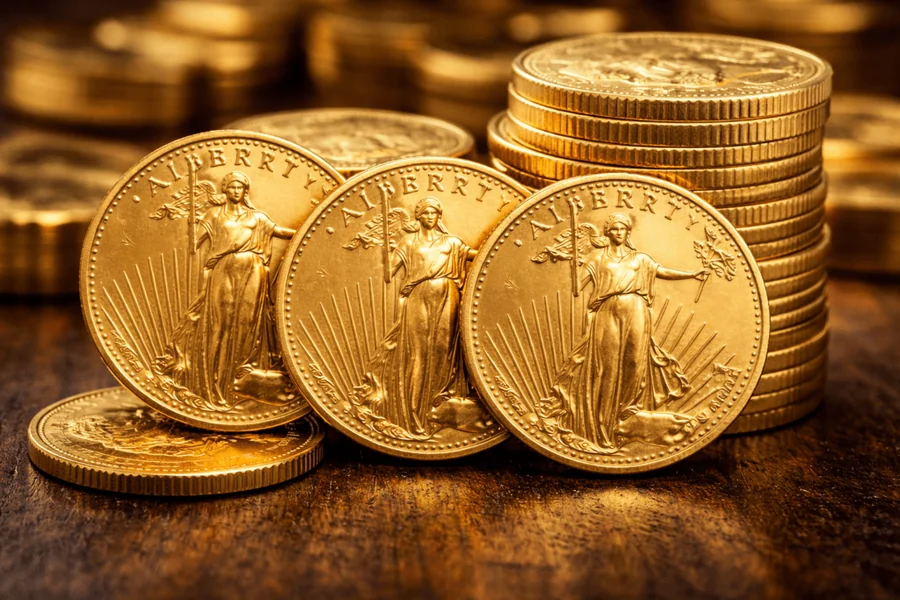
Start with the big distinction: bullion versus numismatic. Bullion coins and bars are valued mostly for their metal content. Think of American Gold Eagles, Canadian Maple Leafs, Krugerrands, and plain gold bars. Their worth tracks the live gold price by weight and purity. Numismatic coins, on the other hand, carry collector value on top of their metal. A rare date, a low mintage, or a coin in exceptional condition can be worth far more than the gold inside it.
This difference is everything, because it changes who you should sell to. If you take a rare collectible coin to a buyer who only pays melt value, you could lose a fortune in overlooked numismatic worth. The best gold coin buyers nyc evaluate a coin two ways, by metal and by collectibility, and pay you the higher of the two. That is the standard you should look for.
For bullion, the process is more straightforward, but you still want to be careful. Anyone planning to sell gold bullion nyc should expect a payout based on the current spot price, the weight, and the purity of the bar or coin. Reputable bullion like Eagles, Maple Leafs, and bars from known refiners are easy to verify and trade close to spot. A good buyer tests and weighs everything in front of you and explains the offer clearly.
Here are a few practical tips for coin and bar sellers.
Do not clean your coins. This surprises people, but cleaning a collectible coin can destroy its value. Collectors want original surfaces. If you have coins that might be numismatic, leave them exactly as they are and let a professional assess them.
Keep everything together. If your coins came with certificates, original packaging, or assay cards for bars, bring those. They make verification faster and can support the value.
Know roughly what you have. Even a quick note of the coin type, year, and quantity helps. For bars, note the weight and the refiner if it is stamped.
Sell where the expertise is. The Diamond District in Manhattan is the natural home for this kind of transaction. Buyers there handle coins and bullion daily and have the tools to test and value them accurately.
Watch out for two common traps. The first is the melt only buyer who ignores collector value. The second is the buyer who quotes a great sounding price but then deducts vague fees. A trustworthy buyer gives you a clear number with no surprise deductions.
Security is another reason to sell in person at an established location. Mailing gold coins or bars away means trusting the postal system and a buyer you cannot see. Selling face to face at a licensed office in the Diamond District means you keep control the entire time, you see the evaluation, and you leave with payment the same day.
It also helps to understand why in person buyers can pay well. Many established buyers in the district are connected to refineries and the wholesale market. That short supply chain means fewer middlemen taking a cut, which can translate into a stronger offer for you.
One last point on timing. Because bullion tracks the live market, its value rises and falls with the price of gold. Collectible coins are less tied to daily swings and more to demand among collectors. If you are selling bullion, a strong gold market is a good moment. If you are selling rare coins, the right specialist buyer matters more than the day.
Selling coins and bullion is simple once you know the rules. Separate bullion from numismatic, protect collectible coins by leaving them untouched, bring any paperwork, and choose a knowledgeable, licensed buyer who values both the metal and the collectibility. Do that, and whether you hold a stack of Eagles or a single rare coin, you will get an offer that reflects what your gold is truly worth.
